2027: APM Candidate Comrade Ini-obong Uko Champions Legislative Accountability, Environmental Justice in Akwa Ibom
…calls for stronger legislative oversight and community participation in natural resource governance at the AKEJA multi-stakeholder dialogue
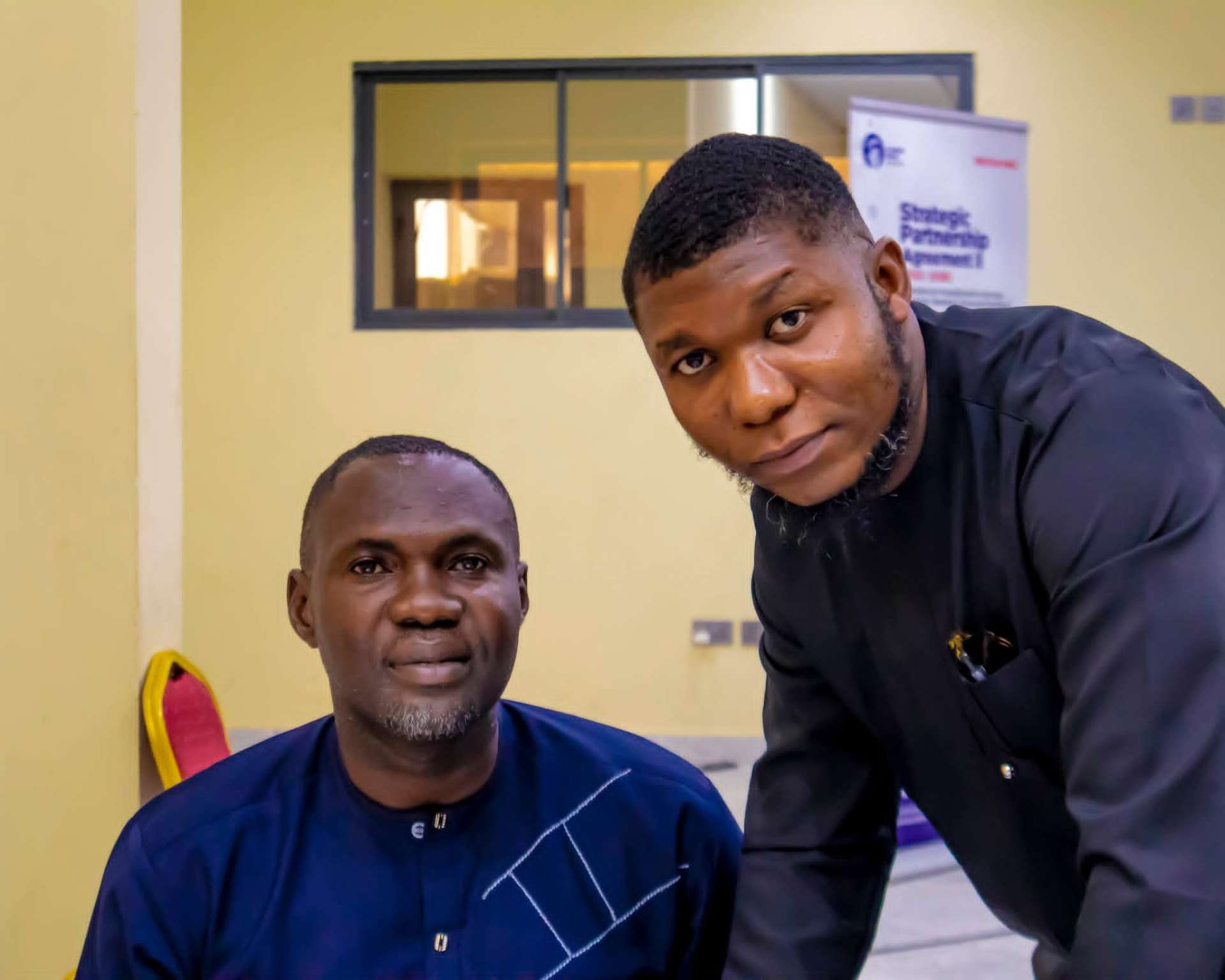
Comrade Ini-obong Uko, candidate of the Allied People's Movement (APM) for the Uyo State Constituency seat in the Akwa Ibom State House of Assembly, has called for stronger legislative oversight, greater community participation and improved accountability in the governance of Nigeria's natural resources.
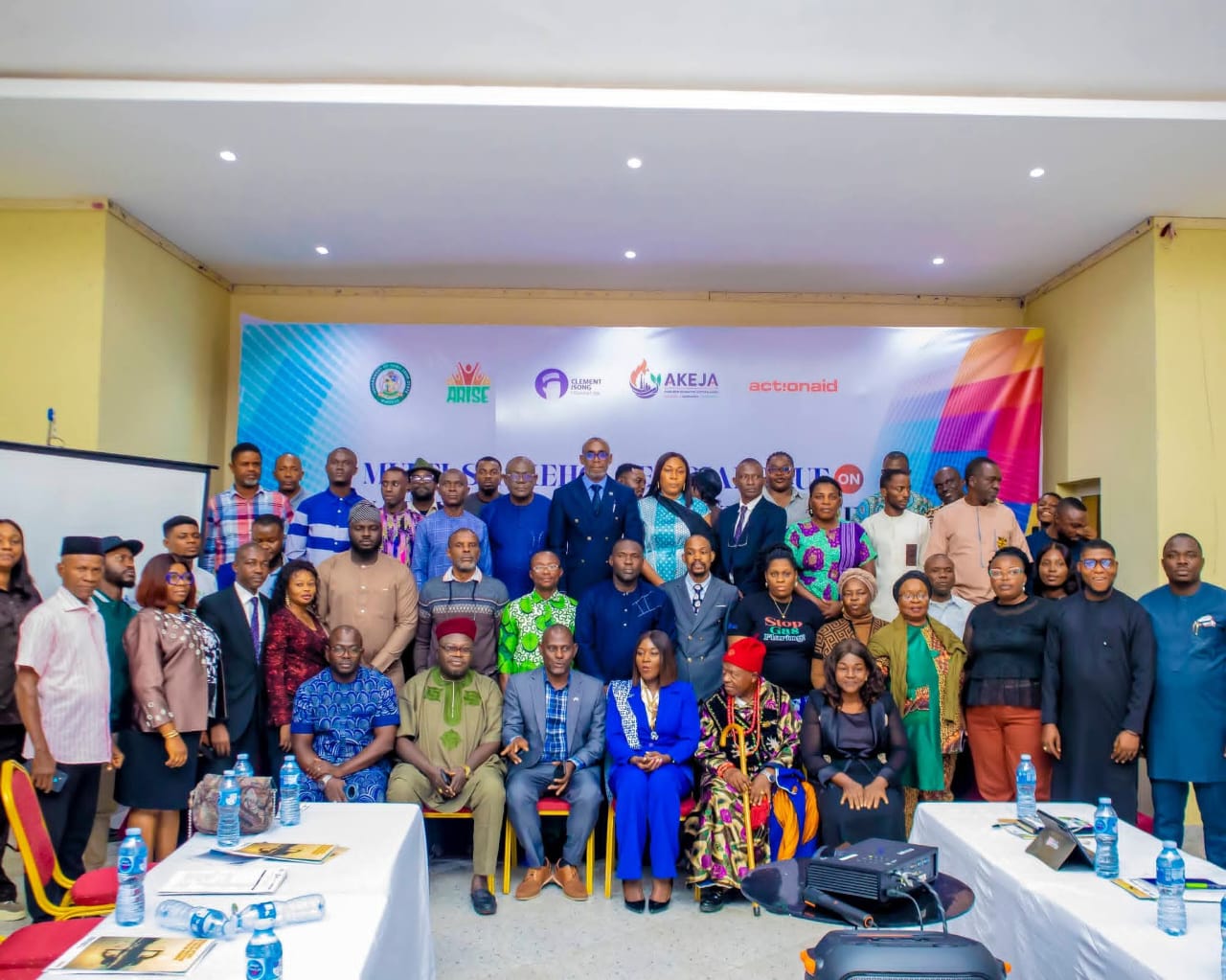
Uko made the call while participating in a Multi-Stakeholder Dialogue on Natural Resource Governance, Just Transition, Environmental Justice and Community Accountability, convened by the Akwa Ibom Extractive Justice Alliance (AKEJA) in collaboration with the Clement Isong Foundation (CIF), with support from ActionAid Nigeria, in Uyo.
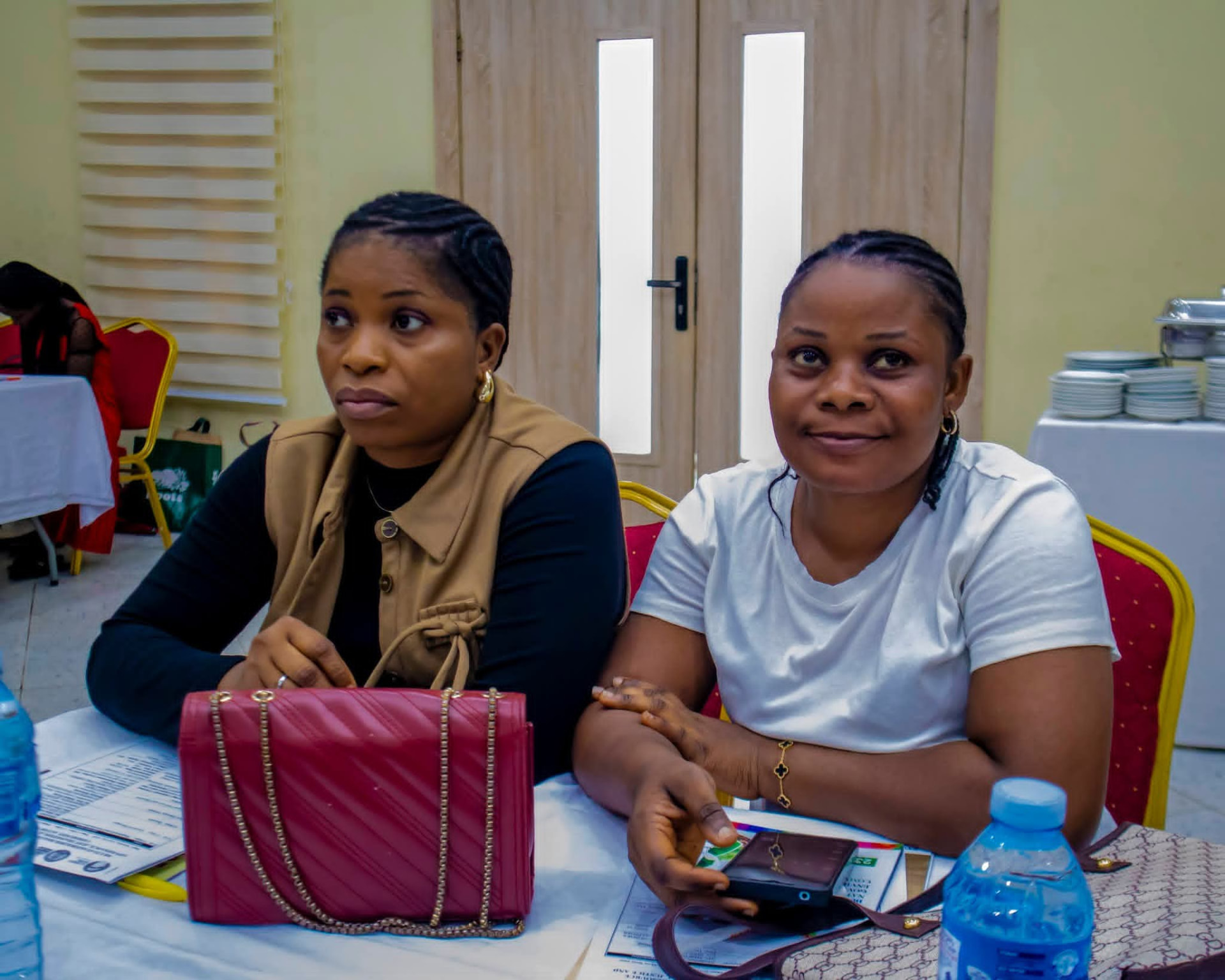
The dialogue brought together representatives of government institutions, regulatory agencies, civil society organisations, traditional institutions, women and youth groups, community leaders and development partners to deliberate on critical issues surrounding extractive governance and the rights of host communities.
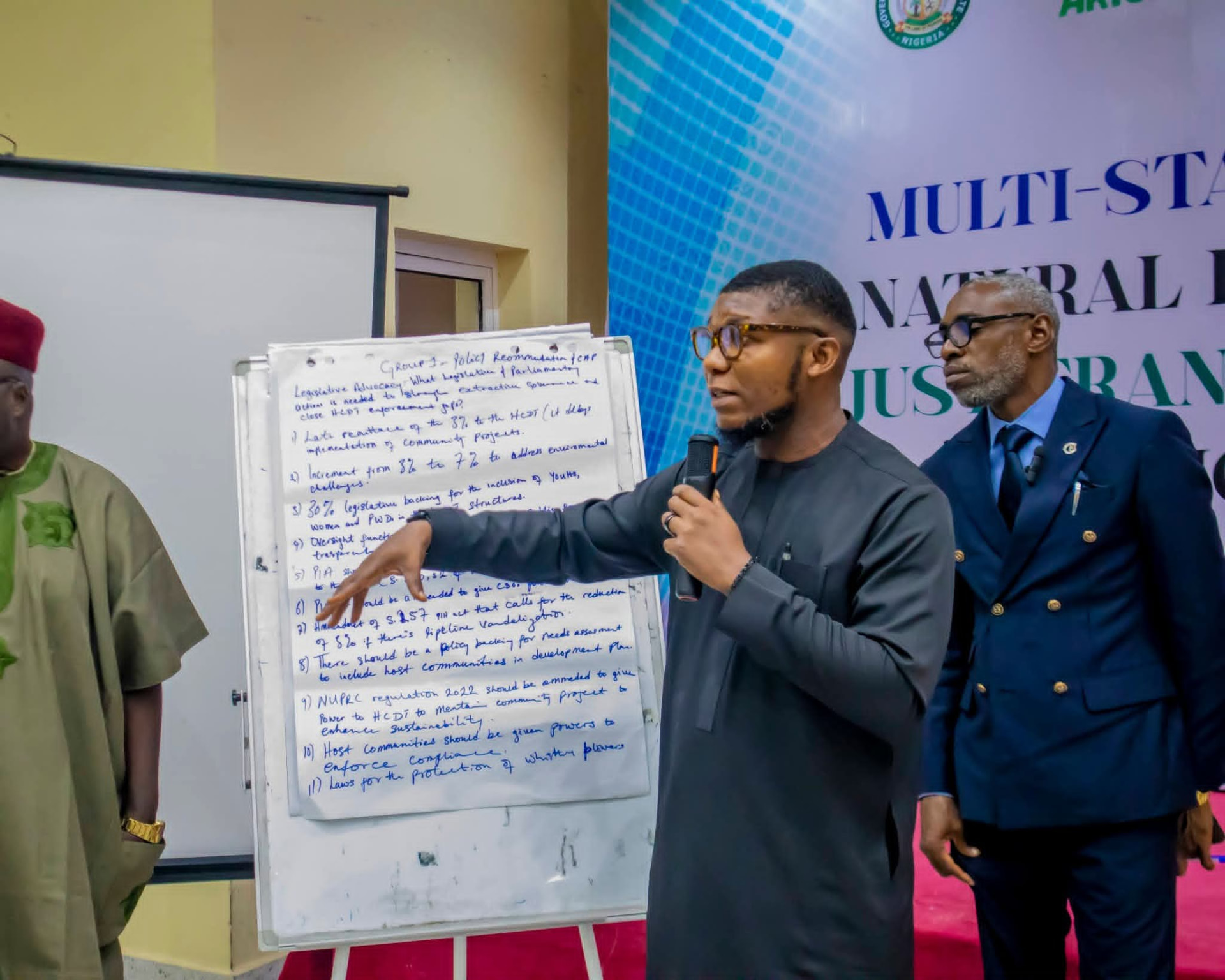
Representing youth groups at the engagement, Uko served as Secretary of Group One, whose breakout session focused on legislative and parliamentary actions required to strengthen extractive governance and close enforcement gaps surrounding Host Community Development Trusts (HCDTs) under the Petroleum Industry Act (PIA) 2021.
Following extensive deliberations, the group developed a number of recommendations which Uko presented during the plenary session, with the support of the group's leader, Hon. Emem Edoho.
Among the recommendations were calls for stronger legislative oversight to ensure effective implementation of the Petroleum Industry Act, particularly its provisions relating to Host Community Development Trusts.
The group also advocated for a review of existing laws and policies to address gaps that undermine transparency, accountability and meaningful community participation in extractive governance.
On environmental remediation, the group called for greater transparency in the collection, management and utilisation of gas flare penalties, stressing the need for remediation resources to directly benefit communities affected by environmental degradation.
The recommendations further emphasised the institutionalisation of Free, Prior and Informed Consent (FPIC) to ensure that host communities are meaningfully consulted before extractive projects are approved and implemented.
Uko and members of the group also advocated for greater representation of women and young people in Host Community Development Trust governance structures, arguing that inclusive participation is essential to achieving sustainable and accountable community development.
The group further called for stronger parliamentary oversight of environmental remediation programmes, regular public reporting and independent community audits as mechanisms for strengthening transparency and public accountability.
Beyond the immediate challenges within the extractive sector, the group recommended increased investment in renewable energy, green jobs, agroecology, mangrove restoration and other sustainable development initiatives as part of efforts to prepare communities for a just energy transition.
The dialogue culminated in the adoption of the Akwa Ibom Declaration and the signing of a Position Paper, reaffirming stakeholders' collective commitment to environmental justice, responsible natural resource governance, community accountability and sustainable development across Akwa Ibom State and the Niger Delta.
Speaking on the outcome of the engagement, Uko commended AKEJA, the Clement Isong Foundation and ActionAid Nigeria for creating a platform that brought diverse stakeholders together to confront some of the most pressing environmental and governance challenges affecting host communities.
He stressed that the recommendations emerging from the dialogue must move beyond policy documents and translate into concrete reforms and stronger institutions.
“The future of our extractive sector depends not only on the resources beneath our soil, but on the courage to govern them with justice, accountability and sustainability.”
Uko's participation in the dialogue comes against the backdrop of his growing advocacy for youth participation, environmental justice, climate action, accountable governance and inclusive public leadership in Akwa Ibom State.
As the 2027 political season approaches, the APM candidate has continued to position issues of responsible governance, environmental sustainability and meaningful youth participation in decision-making as central to his public engagement.
The multi-stakeholder dialogue therefore provided an opportunity for Uko to contribute directly to policy conversations around natural resource governance while amplifying the voices of young people and host communities in the pursuit of environmental justice and sustainable development.